The first OpenAlex Users Day
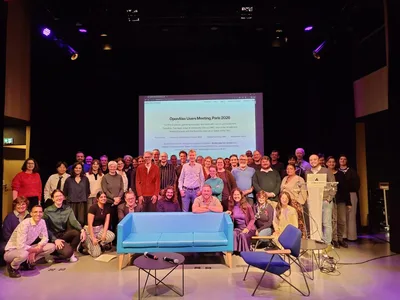
From 19th to 21st October, a motley group of OpenAlex users got together in turbulent Paris to discuss the equally turbulent progress of OpenAlex of the recent months.
The first day was all about showcasing community developments. What are people building on top of the data provided by OpenAlex? Institutions, funders and publishers are all engaged in projects, big and small, to garner insights from the data. Some were geared more towards discovery, a lot were about generating maps (some very pretty, like the embo science map) and some were full on application suites, like the DRUID system showcased by the CRISalid consortium.
The second day was more interactive with many opportunities for providing feedback and discussing questions about accuracy and completeness with other users and the OpenAlex team. OpenAlex mentioned their future three focal C’s of “Community, Communication and Connection”. Especially the later, ensuring a connecting among the data such as connecting pre-prints to eventual articles and peer review reports to the same will help to open up and enhance the scholarly discussion.
The impact of AI-assisted development
What many of these developments had in common was acceleration provided by AI and agentic coding such as Claude code. As can be seen in their public repo, OpenAlex has similarly embraced the speed.
In fact, one of the common themes was the difficulty of keeping up with all of the new developments and improvements as they emerge. Speed of improvement and stability can be at odds with one another, and my feeling is that it will be challenging for OpenAlex to keep finding that balance going forward.
Our roadmap
We’ve already incorporated some of the newest goodies brought by OpenAlex, such as the new filter for Study Designs. We’ll also be looking at the new Keywords, and see if they can provide the much needed additional granularity on top of the Topics. More on that front soon!
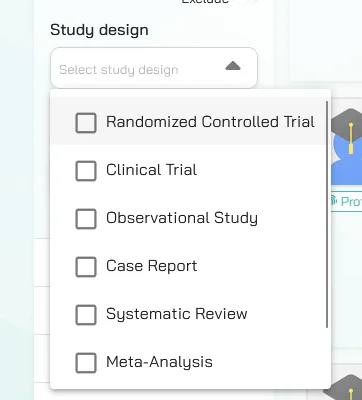
Lastly, we’ll also be looking at incorporating the various source-lists as filters, to make it easier to rely on a particular list of trusted sources for any search in Global Campus.
It was a lovely meeting, and great to share insights with so many different OpenAlex users from all the different corners of academia. It was also enjoyable to meet the team of OpenAlex in the flesh for the first time – it remains impressive what a team of just four dedicated individuals have achieved.